Jason Polkovitz

Graphic Design & Art Direction

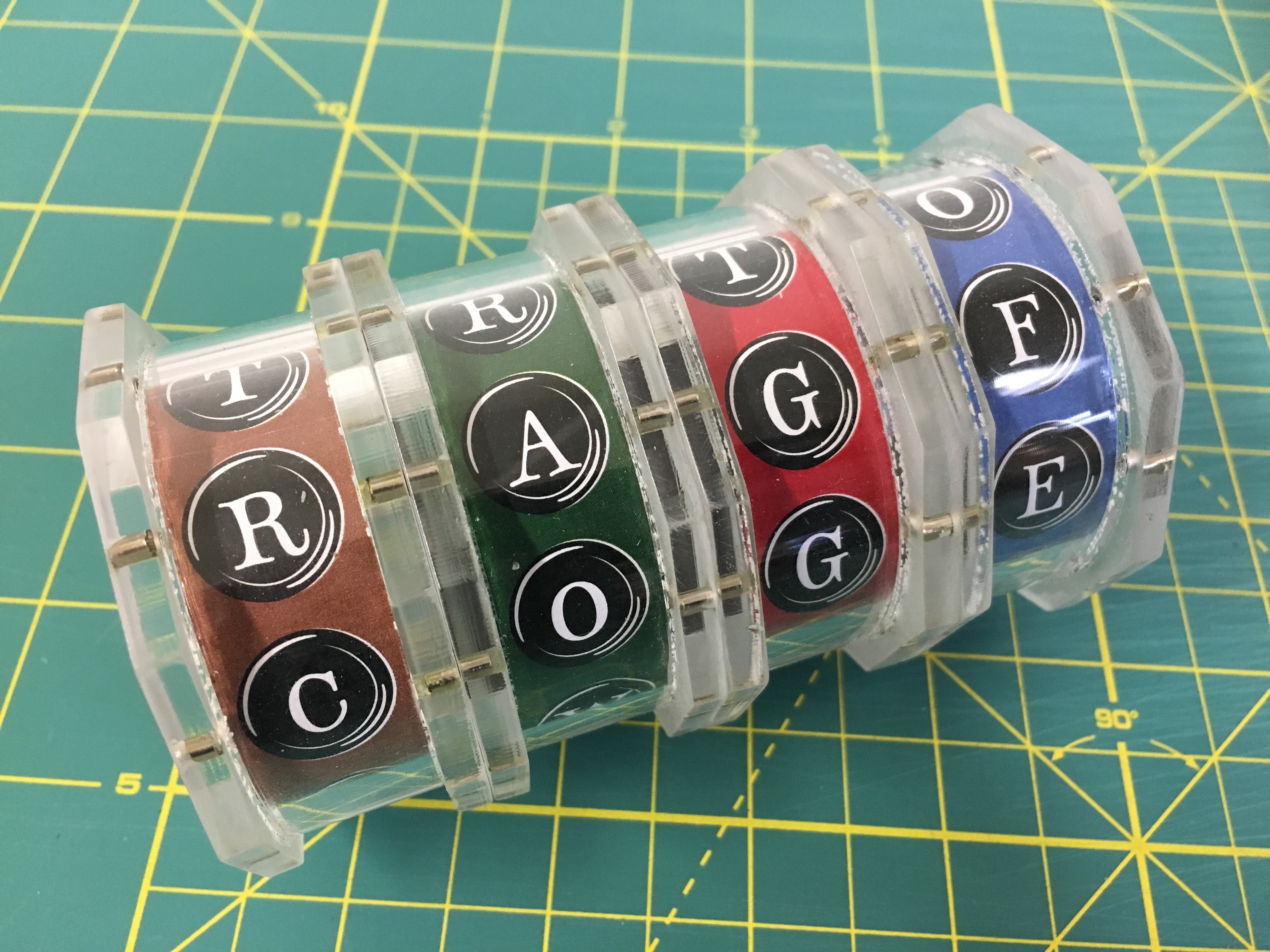
  • A few years back, on the heels of the release of The Imitation Game , MoMath hosted a puzzle hunt based on that film. To that end, the exhibit designer and I were tasked to create a codex cylinder for one of the problems the participants were to solve. He created this lovely acrylic and magnet device and my job was to make the letters to be manipulated to break the code. Seeing that the hunt was based on the movie, and the movie was based on Alan Turing’s quest to break the German ENIGMA code during World War 2, I used the ENIGMA code machine as an inspiration – using typewriter-style lettering for the letters, and including a patterned interior based on the housing of the ENIGMA machine itself.  These devices are still used by the Museum education department as part of their code-breaking lessons.

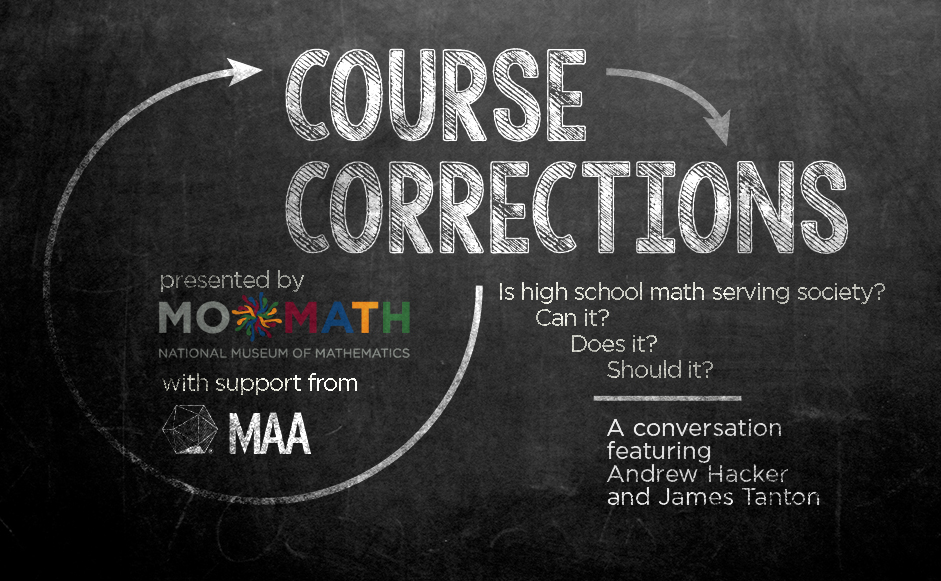
  • The Museum hosted a debate around a year ago highlighting the pros and cons regarding the current state of high school level mathematical education in the United States. I was asked to create a backdrop (which also acted as an advertisement on the Museum website).

    CiIauNZWUAAPEZe.jpg-large.jpgCOURSECORRECTIONS_tight.jpg

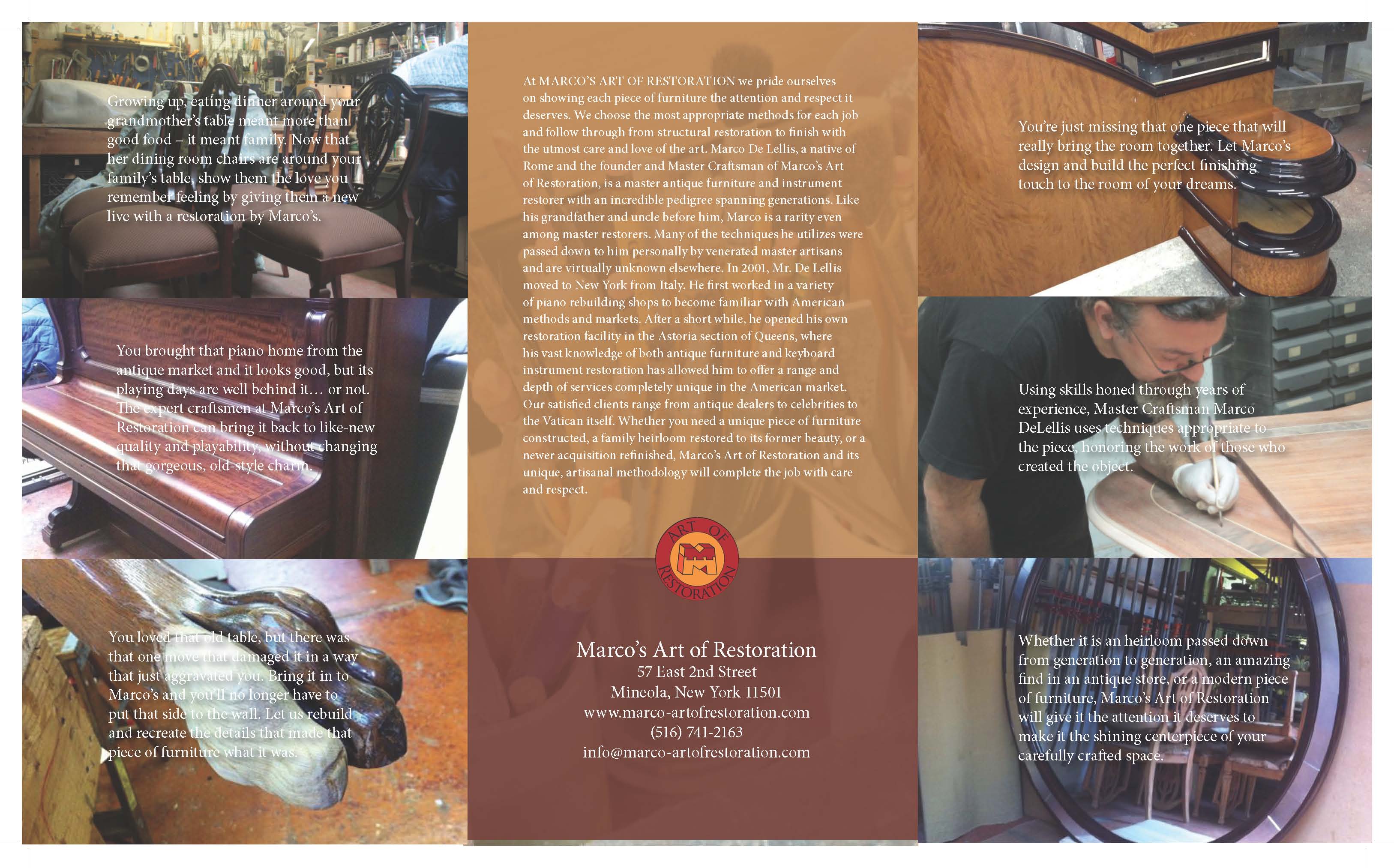
  • Unfortunately this project – a promotional brochure for a furniture restorer – died in the making… which is a real shame. I loved how it was coming along, and I respected the heck out of Marco and his amazing craftsmanship. The shop in Queens was a wonderland of tools and in-progress work. Marco is still in business, but now out in Nassau County, Long Island, instead of Queens, NY as can be seen in the copy.

    As a side note, every color in the palette of this brochure was inspired by the things in Marco’s studio.

    Marcos_Trifold01_Page_1Marcos_Trifold01_Page_2

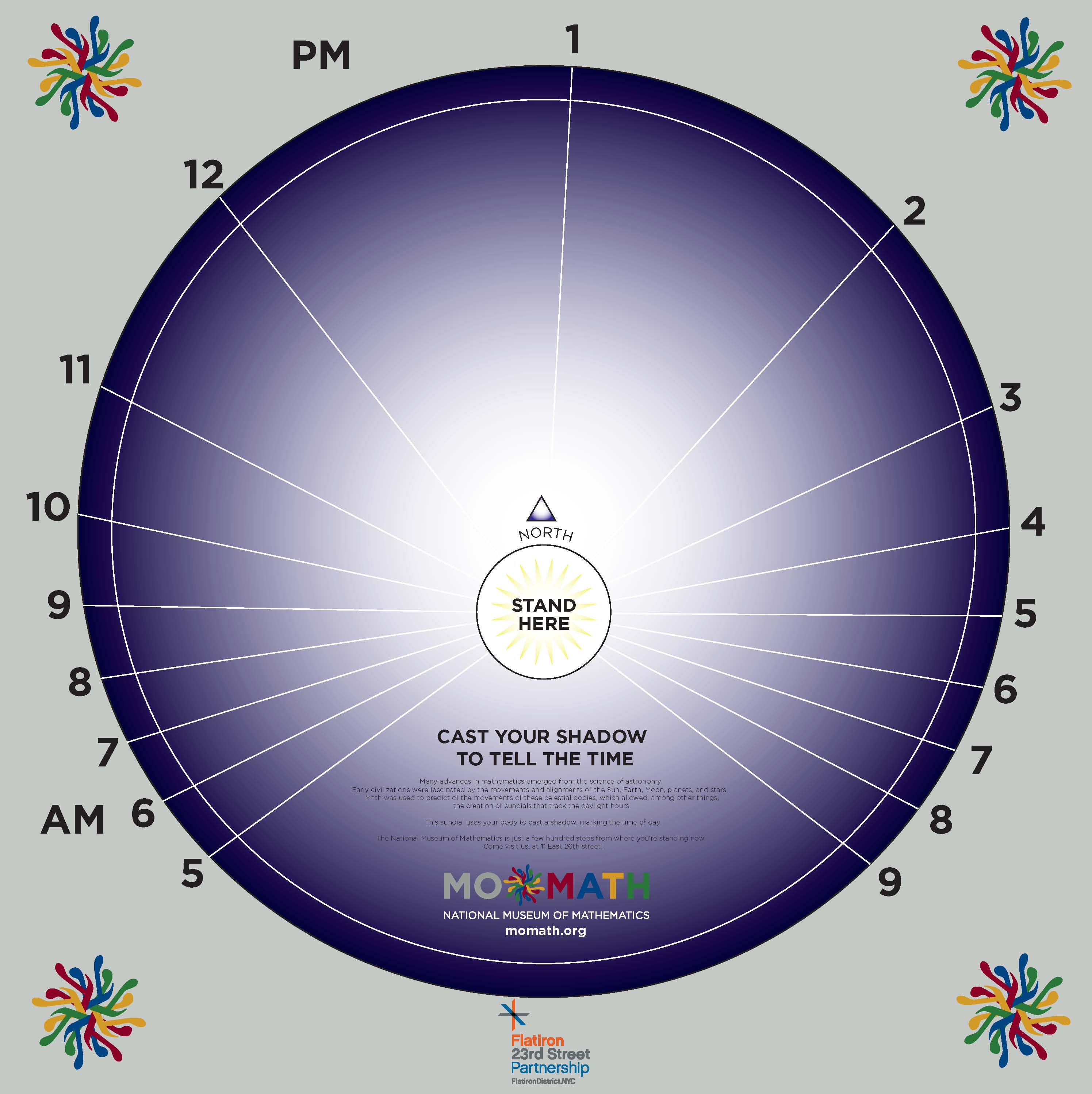
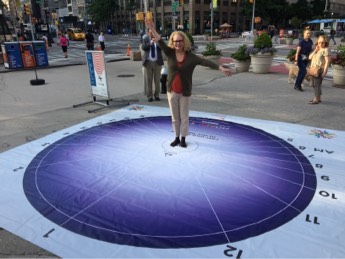
  • MoMath likes to celebrate the solstices with math-related events in the plaza just north of the Flatiron Building. This year I was tasked with designing a sundial (along with our Chief Educator and Associate Director as technical consultants) wherein a person would stand as the gnomon and cast a shadow telling the time of day. It became a 15′ x 15′ vinyl mat which was deployed in the plaza on the Summer Solstice for people to interact with and enjoy.

    Happy summer!

    Sundial Concept_modified gray 02 FLATIRON_offcenter.jpg

    First customer of the day:

    image_01.png

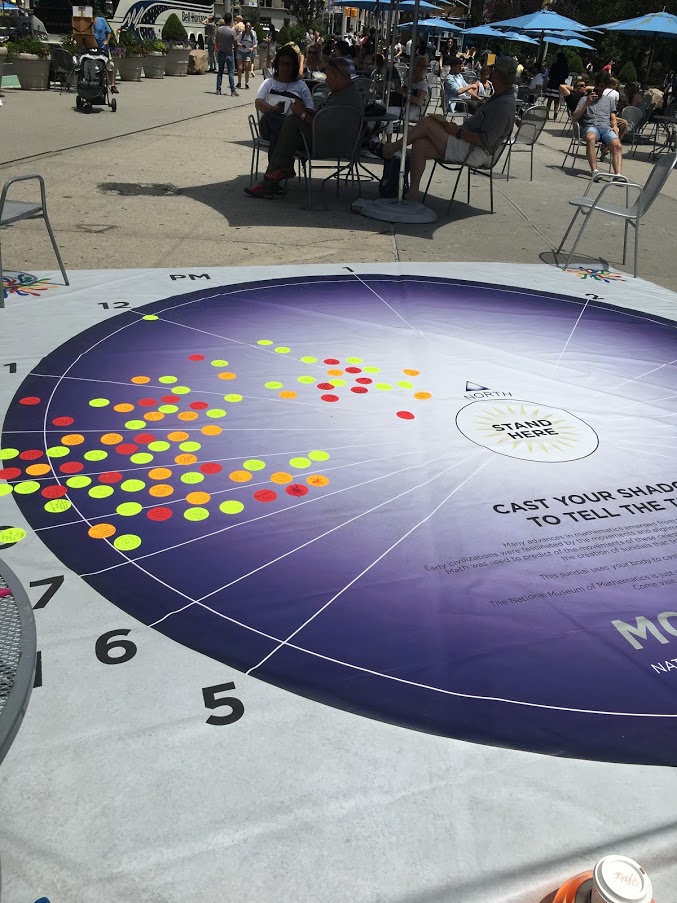
    People were encouraged to leave a sticker with a message on it. This was at the beginning of lunch:

    IMG_0754.JPG

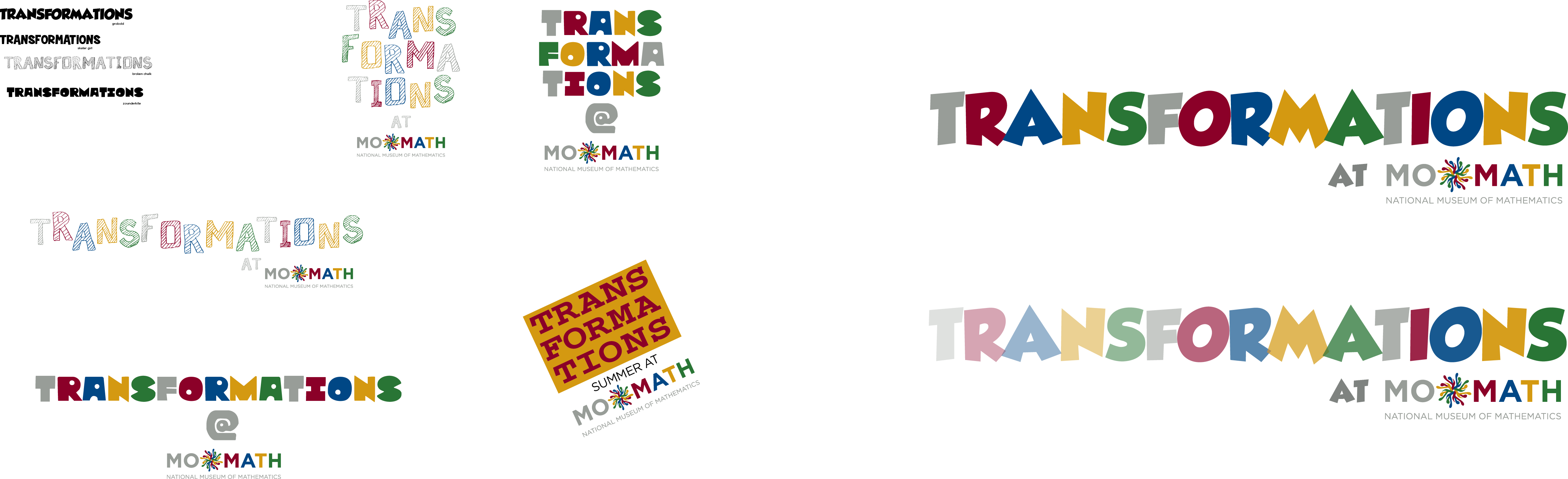
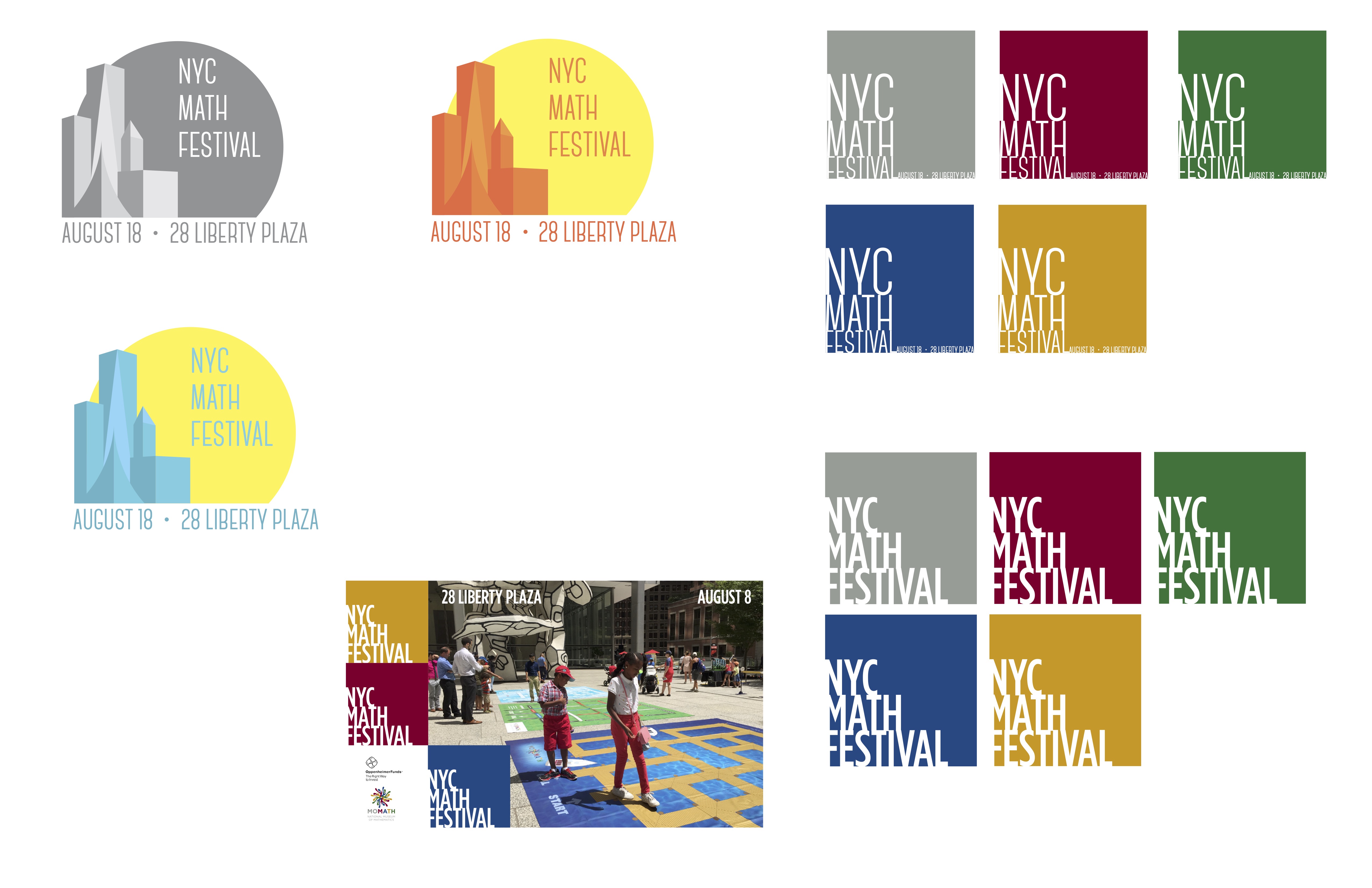
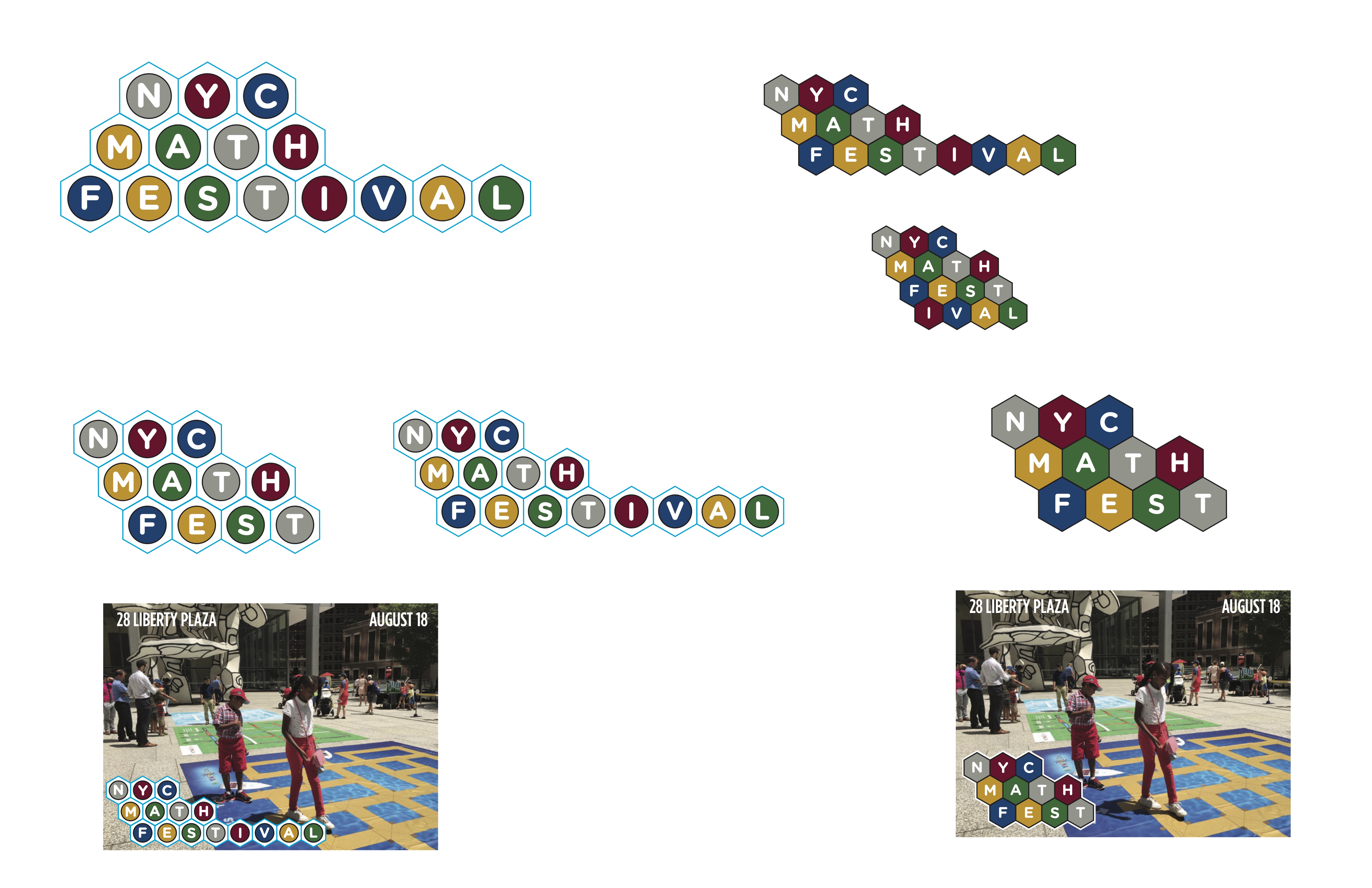
  • The directive was to come up with a logo for what is hoped to become an annual mathematics festival for New York City. In the end, the Museum decided to go for a more generic look for the promotional material, but I was quite pleased with how these were turning out so I decided to showcase them here.


  • Here are a few desktop wallpapers I made when I got my fourth computer. I figured I’d make them free to use for anyone who enjoys the numeral “4”.

    If you like and use them, please comment or drop me a line via the “email” link to the right of the page. Thanks!

    004 desktop004 desktop dark004 desktop darkADesktop-Didot04Racecar_04

  • (I commented on a post by a friend on Facebook and felt a need to share – and expand upon – it here):

    Art isn’t about the artist.

    It is about how the piece affects the people who view it. If an artist doesn’t like another artist that is irrelevant to the work – and they’re missing the point of the exercise. Any artist who claims ownership of the meaning of a piece of art once it is out in the world is just an egotist – and any person who judges art because of the artist is an idiot. The power of art is completely judged by the viewer. It makes no difference if the artist meant something if the viewer is affected by it in a different way. That doesn’t make it a failure, it makes it personal – which is as it should be. It might not have been what the artist intended, but it enriched the emotional experience of the viewer’s life.

    As far as appropriation is concerned, viewing art is inherently appropriation on a very personal level – you are taking a personal statement from the artist and making it your own. Subject matter that affects the artist, or that an artist wants to bring into the spotlight isn’t appropriation – it is a signal boost – and, once again, has nothing to do with the artist.